
Loyalty program for multiple locations: a rollout plan from pilot to every branch
 Oleksii Andriiuk
Founder
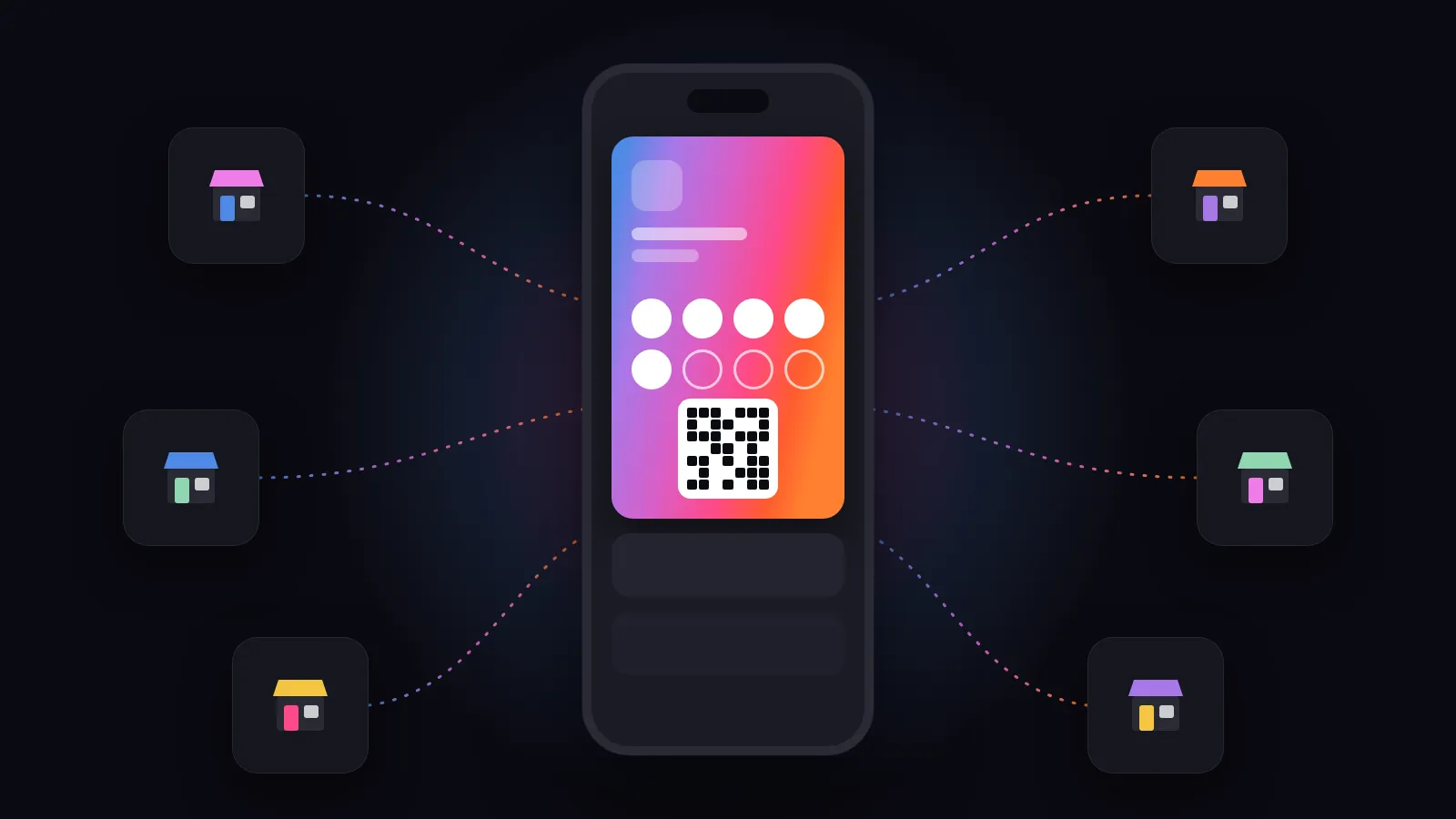
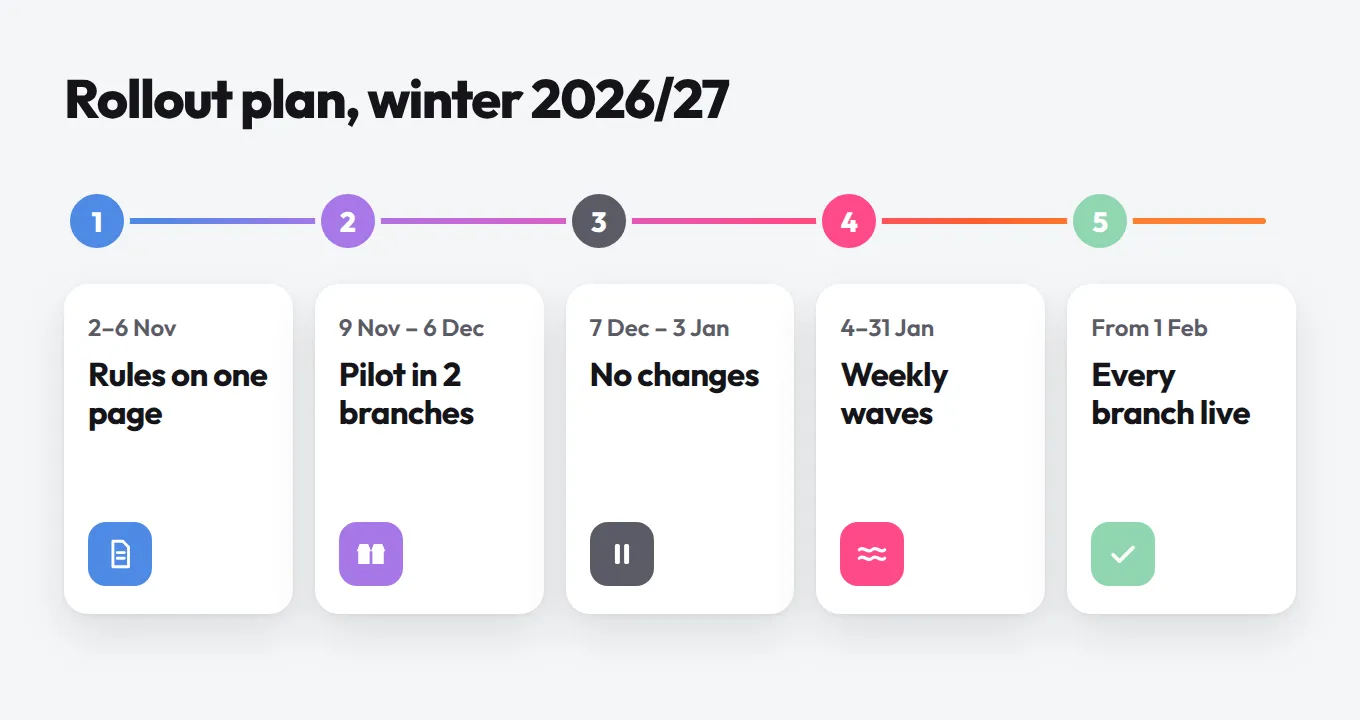
Launching a loyalty program for multiple locations rarely goes wrong in the software. It goes wrong in the branches: each shop explains the card differently, one manager adds stamps for friends, and nobody can tell where the card is working. The fix is to write one set of rules, test them in two branches for four weeks, leave December alone, and roll out to everyone else in weekly waves in January. Below is that plan with dates for this winter, for whoever runs loyalty across 5, 20 or 100 shops.
I'd rather a chain launch its loyalty card late and the same everywhere than early and different in every shop. A customer doesn't think "the branch by the station" or "the one in the old town". They think of your name. If the card works one way in one shop and another way in the next, it becomes something to argue about at the till, and the till is the one place where nobody has time to argue.
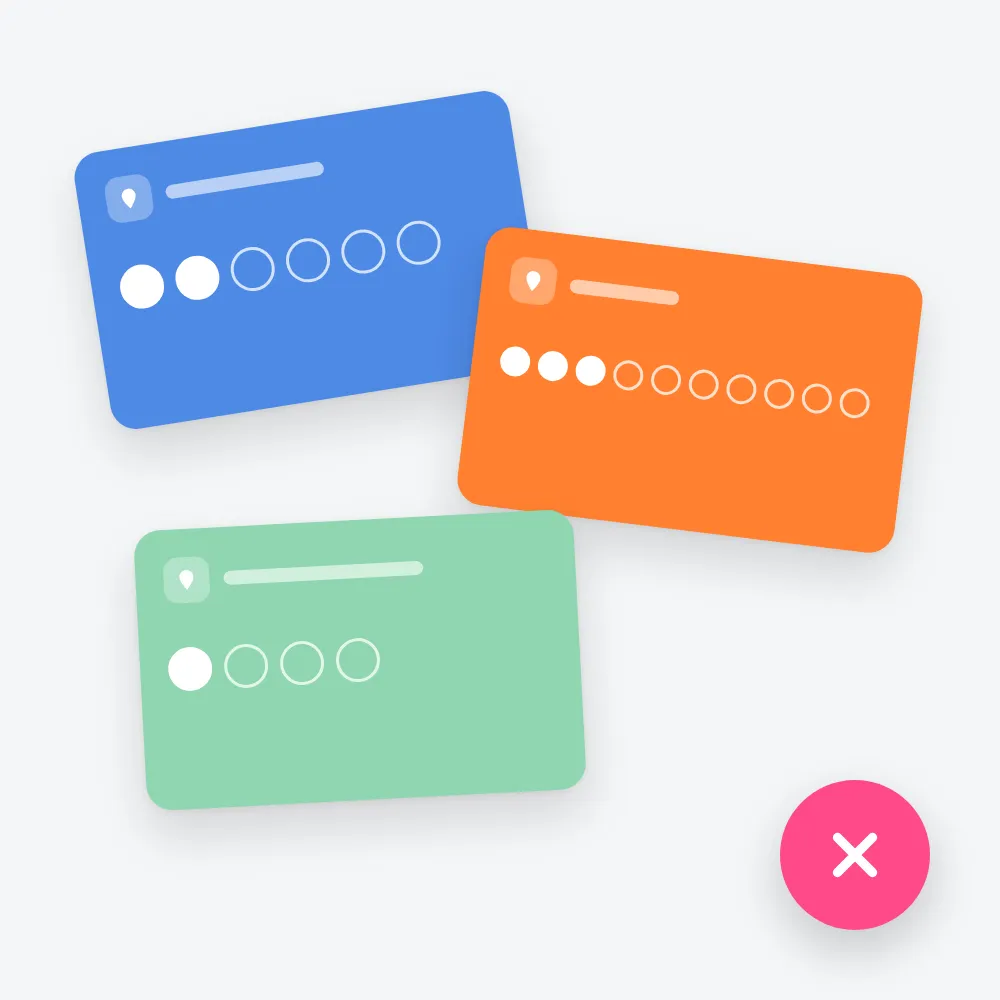
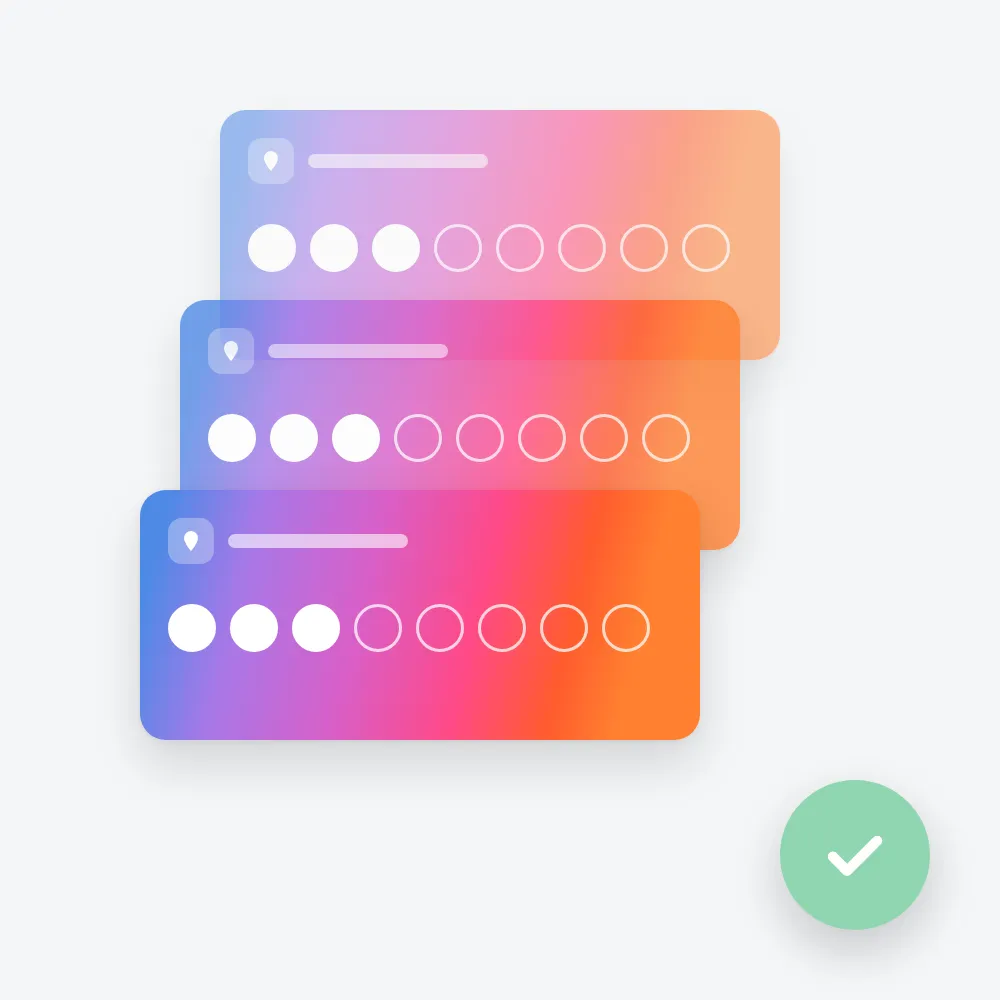
While researching this post, one of the top search results was an owner forum thread from 2020: two business partners had agreed how customers earn stars, but not when the reward comes. One wanted it at 5, the other at 10. Six years on, that is still the first argument to settle.
Step 1: Write the rules on one page (2 to 6 November)
Before you touch any settings, write one page that every branch manager can read in two minutes. It answers six questions:
- What earns a stamp or points: one per visit, or one per so many euros spent.
- What the reward is, and after how many stamps or points.
- Whether a card earned in one branch can be used in all of them. My answer is yes. Anything else feels like a trick to the customer.
- Who may add stamps by hand, and who may give out the reward. The "one extra for my friend" stamp is an easy leak in any chain, so keep manual stamps to managers.
- Which messages go out from head office, and whether branches may send their own. I'd keep them with head office for the first three months.
- Who is responsible for the customer list.
Question 6 matters most for franchises. When a franchisor and its franchisees decide together what happens with customer data, the European Data Protection Board explains that they can be joint controllers, who must agree how they split their responsibilities under GDPR (as of October 2026). I'm not a lawyer and this is not legal advice: put the question to yours before launch, not after.
For the reward, the maths of what a reward really costs is the same in one shop or a hundred. Do it once, with your average cost prices, and write the answer on the page.
One rule I would bend on purpose: let a branch run its own local moment, like double stamps on the day of a street festival, as long as the base card stays the same. Branch managers need something that is theirs.
Step 2: Pick two pilot branches
Choose one of your strongest branches and one ordinary one. Not the flagship alone: its team is usually the most motivated in the company, and a pilot that only works with your best team tells you nothing about branch number 37.
Give each pilot branch a card champion, one person per shift who answers colleagues' questions and writes down what customers actually ask. Their notes after the first week will tell you more than any chart.
Step 3: Decide how stamps get counted
There are two ways to count stamps at the till, and you want the same one across the chain if you can.
- From the till. With a connected till, stamps or points come from the receipt, so staff don't have to remember anything. We connect to Square, Lightspeed, SumUp, Toast, Clover, Zettle and Shopify POS on the Growth plan and above (as of October 2026).
- By scanning. Staff scan the customer's Wallet card with any phone camera and tap add or redeem.
Chains that grew by buying other shops can end up with two or three different tills. Check every one of them now, in November, not in the middle of the rollout. If one group of branches can't connect, scanning there is fine. Just compare scanning branches with each other, not with till-connected ones, because they depend on staff remembering.
Step 4: Train with one sentence
Ten minutes before opening, standing by the counter, is enough. Staff need one sentence to say, one thing to do, and an answer to the question they will hear most. For example:
"Do you have our card yet? It goes into your phone's Wallet. Scan this and you're in."
The question they will hear most is "Do I need an app?" (no). If someone on the team wants to know what happens after the scan, the Wallet card explainer walks through it step by step. Most won't need it.
Step 5: Run the pilot (9 November to 6 December)
Four weeks covers a payday and the first weekend of Christmas shopping, which is the honest test. Every Monday, look at three numbers for each pilot branch:
| Number | What it tells you |
|---|---|
| New cards per 100 sales | Is the team offering the card? |
| Share of sales with a card | Do members actually use it? |
| Came back within 14 days | Is it bringing people back? |
Compare branches by these rates, never by totals. A big branch will always sign up more people. The question is whether its team offers the card as often as the small one does.
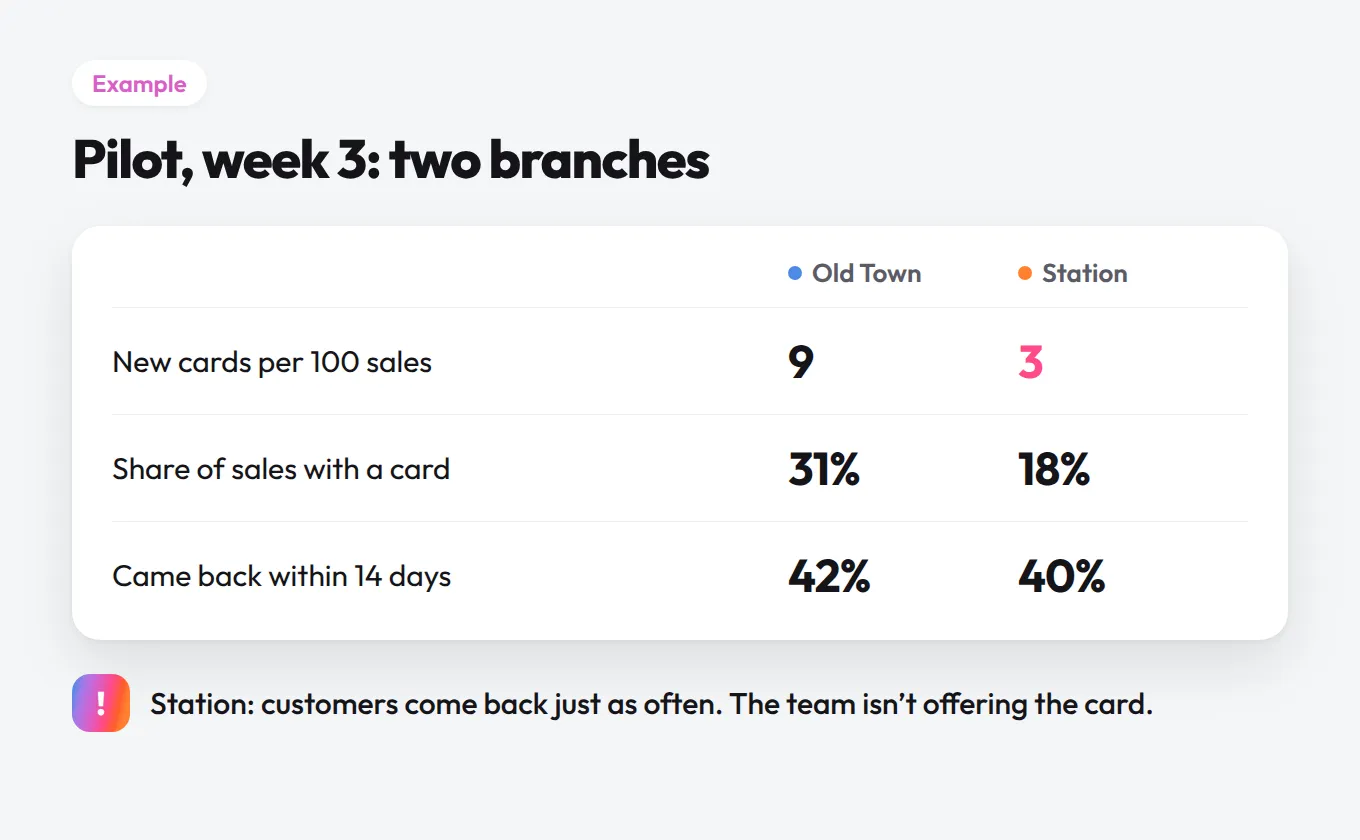
At the end of the pilot, change what needs changing: the sentence, where the poster hangs, the number of stamps. This is the last time you change the rules before everyone else joins.
Step 6: Leave December alone (7 December to 3 January)
No new branches and no rule changes. December brings seasonal staff, queues and the shortest patience of the year, which makes it the worst month to teach anyone anything new. The pilot branches keep going, and the rest of the chain only gets ready: posters printed, a work phone with the scan app set aside in every shop.
The exception: if your business is quiet in December and busy in January, as many gyms are, swap the calendar and roll out before Christmas.
Step 7: Roll out in waves (4 January to 31 January)
Use the first week of January to brief the managers of the first wave, then add branches in weekly waves. For a chain of 20, three waves of six or seven shops work well. For 100, plan waves of 15 to 25 by region and let the rollout run into February or March. Finishing in March with every branch working is better than finishing in January with half of them guessing.
A branch is ready to go live when it passes five checks:
- the QR poster is at the till, at eye level;
- the scan app is on a work phone and logged in;
- the team has done one test sale with a real card;
- there is a named card champion;
- the manager knows who to call when something breaks.
January suits this. Shops are quieter, staff have time to learn, and the people who joined in the pilot branches are exactly the regulars you want back during the slowest weeks of the year.
Step 8: Keep one Monday routine
Once every branch is live, the Monday look stays the same: the three numbers, branch by branch, sorted by rate. The bottom three get a phone call, not an email. The reason is usually simple: a new team member, a poster behind a display, the scan phone in a drawer.
When you start sending messages, compare the customers who got one with a small group who didn't. Otherwise you can't tell the message apart from the people who would have come anyway. In Loyalius that held-back comparison comes with Growth, and branch roles and reports with Pro. Prices are per location, and for 21 locations or more there is Enterprise.
What you have now
By February: one card that works the same in every branch, one page of rules nobody has to guess at, a champion in each shop, and a Monday list that tells you which branch needs a visit. A four-week pilot fits inside our 30-day free trial, so the only decision for this week is which two branches go first.
More stories
 How much does a loyalty reward really cost? The stamp card maths
A free 10th coffee is not a 10% discount. Here is how to work out what a stamp card reward really costs you, and how to pick one that feels big.
 How a Wallet loyalty card works, from the QR poster to the lock screen
What happens between the QR poster, the till and the customer's lock screen, and the two places a Wallet loyalty card quietly goes wrong.
 Gift cards for small business: 7 mistakes to fix before Christmas
Paper vouchers nobody can track, odd amounts, risky expiry dates and a forgotten recipient: seven gift card mistakes and what to do instead.