
January slump in retail: a plan for small shops that starts in December
 Oleksii Andriiuk
Founder

The January slump in retail is the drop in sales after Christmas, and it is bigger than most owners plan for: in Poland, retail sales in January 2026 were 17.8 % lower than in December. A small shop cannot stop it, but it can make it shallower and cheaper. Plan it in December, turn December's one-time gift buyers into January visits, give your regulars a reason to come on the quietest days, and cut the hours that lose money.
The part that surprised me is that January is not even the bottom. In both Germany and France, shops sold less in February 2026 than in January. So the real quiet season is six to eight weeks long, and a plan that ends on 31 January runs out just when you need it most.
How big is the January slump in retail?
The January slump is a drop of roughly a sixth to a fifth of December's sales across all retail, and much more for shops that live on gifts. These are the official numbers for the last winter:
| Country | January 2026 vs December 2025 | Source |
|---|---|---|
| Poland | -17.8 % | GUS |
| Germany | -16.4 % | Eurostat |
| France | -19.9 % | Eurostat |
Poland's statistics office GUS reported the 17.8 % fall on 23 February 2026, and in the same release showed that, adjusted for the season, January was actually 0.5 % up on December. In plain words: the slump is the calendar, not you. The German and French figures come from the Eurostat retail trade volume index (not seasonally adjusted, as of November 2026), which also shows February 2026 below January in both countries.
These are averages over supermarkets, chemists and petrol station shops, which barely notice Christmas. A gift shop, a bookshop or a homeware boutique that makes a third of its year in December falls much harder.
Why the January slump is decided in December
December brings you more new faces than any other month, and most of them buy one present and disappear. If nobody gives them a reason to come back, January starts with an empty list.
Then, between Christmas and mid-January, a second group walks in: people exchanging presents and people spending gift cards. They are strangers holding someone else's money, and they are the cheapest new customers you will ever get, because someone else already paid for their first visit. I wrote about turning gift cards into January visits before Christmas; the same thinking applies to exchanges.
So the work that saves January happens while the shop is full: catch the names in December, and give each of them a dated reason to return in the quiet weeks. A points card for retail shops is one way to do that, a simple newsletter sign-up at the till is another. What matters is that you can reach them on 7 January.
A January slump plan for 2027, from December to Carnival
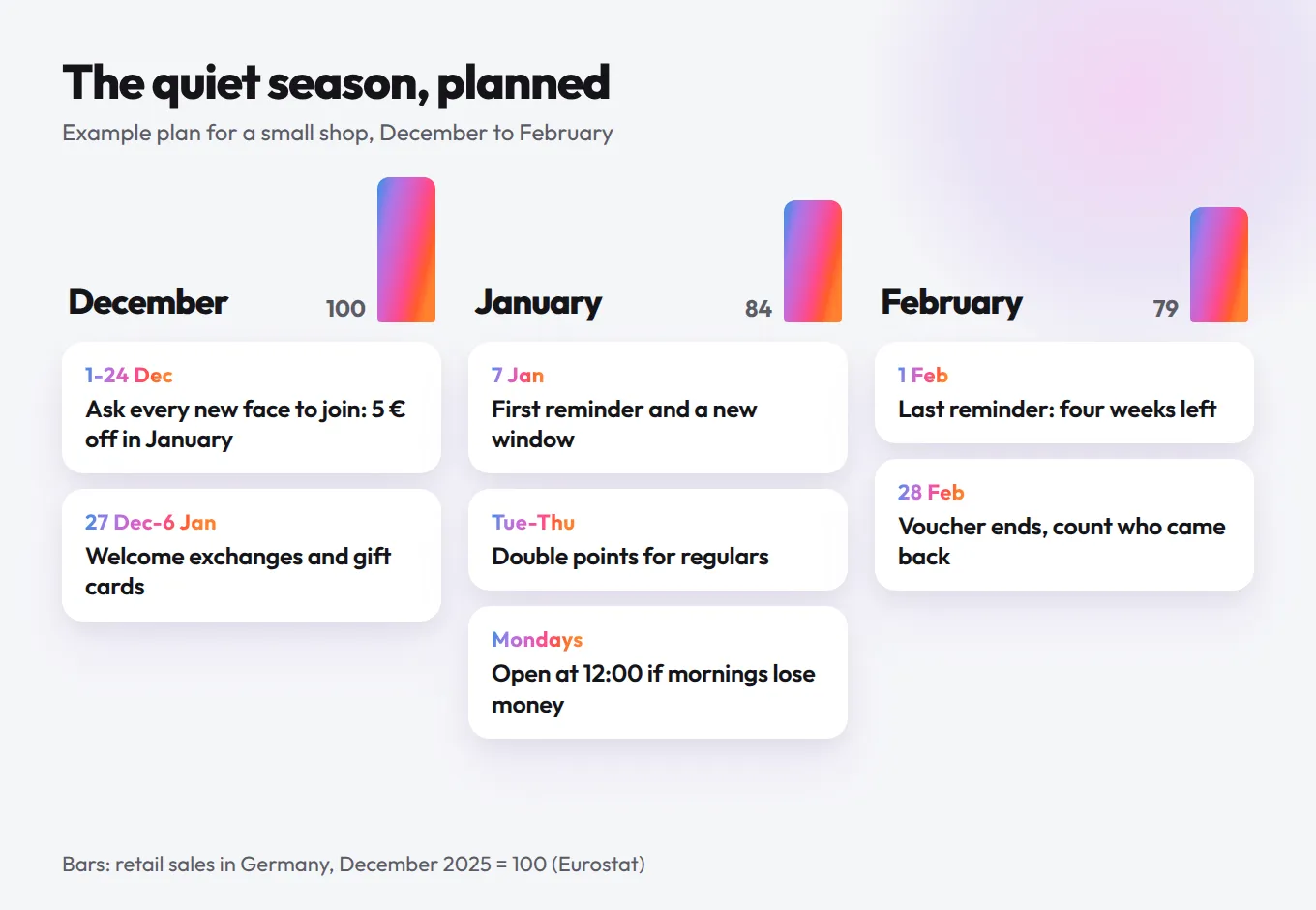
Here is the plan, week by week. Move the dates to fit your town's holidays and sales period.
- 1 to 24 December: ask every new face. At the till, one sentence: "First time here? Join our card and you get 5 € off in January." Make the voucher valid from 7 January to 28 February, with a minimum spend (say 25 €), so it lands in the quiet weeks and does not eat your December.
- 27 December to 6 January: welcome the exchangers. Count exchanges and gift card visits as new customers, not as admin. Offer them the card too, and show them one thing that is new.
- 7 January: send the first reminder. "Your 5 € is waiting until the end of February." Change the window the same week, even if only the colours: people who walked past all December need a reason to look again.
- Mid-January to mid-February: give the quiet days a reason. Pick your two or three emptiest days and make them worth a trip for regulars: double points on Tuesday to Thursday, a small evening for card holders, or a first look at spring stock.
- Cut the hours that lose money. If Monday morning brings four customers, it may be cheaper to open at 12:00 until mid-February. Do the sum first: count only the costs that really go away when the door stays shut. I walked through that sum for restaurants in should you close on slow days, and it works the same for a shop.
- 1 February: the last reminder. "Four weeks left on your 5 €." February is usually quieter than January, so this is the message that counts.
- Use the empty hours. Stocktake, new photos for your Google listing, the Easter order. January is the only month with time for it.
A worked example: one gift shop, two quiet months
Take a gift and homeware shop on a side street of a mid-sized town, open Monday to Saturday from 10:00 to 18:30. These are example numbers for a shop of that size; swap in your own.
In December it takes 1,600 receipts at an average of 27 €: 43,200 €. About 600 of those receipts come from people buying there for the first time. Then the slump:
| Month | Sales | Gross profit (50 %) | After 8,900 € fixed costs |
|---|---|---|---|
| January | 800 × 24 € = 19,200 € | 9,600 € | +700 € |
| February | 720 × 24 € = 17,280 € | 8,640 € | -260 € |
The 8,900 € is rent (2,400 €), wages (5,600 €) and energy and the rest (900 €). Two months together leave 440 €. Now add the plan:
| Step | What happens | Extra gross profit |
|---|---|---|
| December voucher | 35 % of the 600 newcomers join (210); 30 % of them use the 5 € (63 visits at 33 €) | +724 € |
| Double points, Tuesday to Thursday in January | Regulars make 26 extra visits at 24 €, minus the extra points (about 116 €) | +196 € |
| Total | ≈ +920 € |
The two quietest months go from 440 € to about 1,360 €. The voucher cost 315 € in discounts and paid for itself more than twice over. It does not erase the slump, but it turns a break-even winter into a small profit.
The bigger number is not in the table: 210 new people you can reach in spring, plus whoever joined while exchanging a present. If 20 of them become regulars buying six times a year at 24 €, that is 2,880 € of sales a year you did not have.

Should you run a January sale?
A January sale is worth it to clear stock you will not sell at full price, and not much else. Everyone discounts in January, so a sale mostly moves your regulars' purchases earlier at a lower price. The Paris chamber of commerce asked 300 shopkeepers about the winter sales in January 2026: overall 54 % were satisfied, but only 42 % of independent shops were.
I would run one short clearance for the old stock, tell card holders a day before everyone else, and keep the rest of the shop at normal prices. A dated voucher for one more visit costs you far less than 30 % off everything for a month.
Where a loyalty card helps, and where it does not
A loyalty card does not bring strangers into your shop in January. Nothing you set up in the first week of January will. What it does is keep December's names, so you can send them a message on 7 January instead of hoping they remember you.
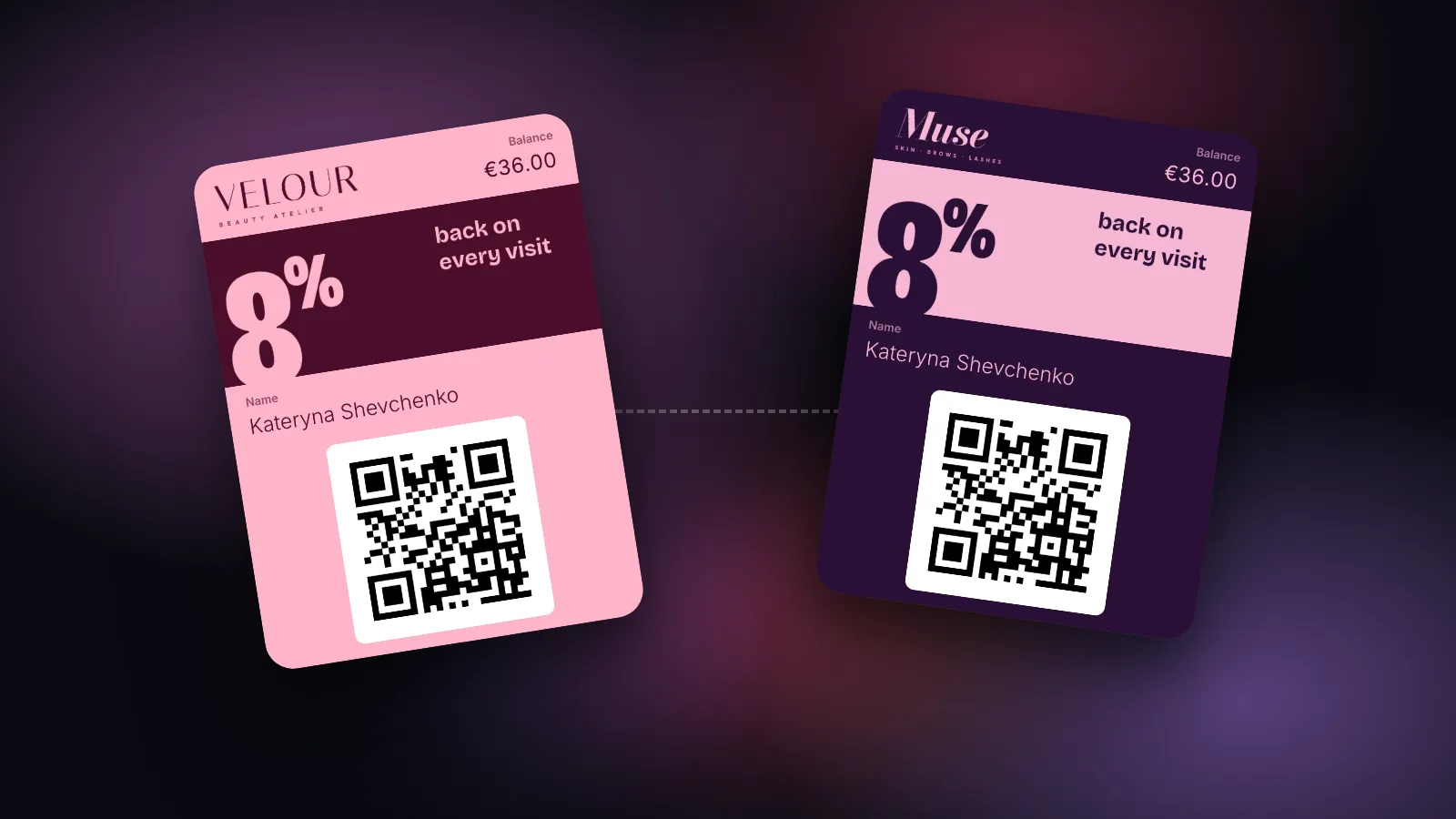
With Loyalius, a loyalty platform that puts stamp, points and cashback cards in Apple Wallet and Google Wallet, the voucher reminder arrives on the customer's lock screen, and the card already sits in the phone they carry into town. Here is the same points programme for a shop in two looks:
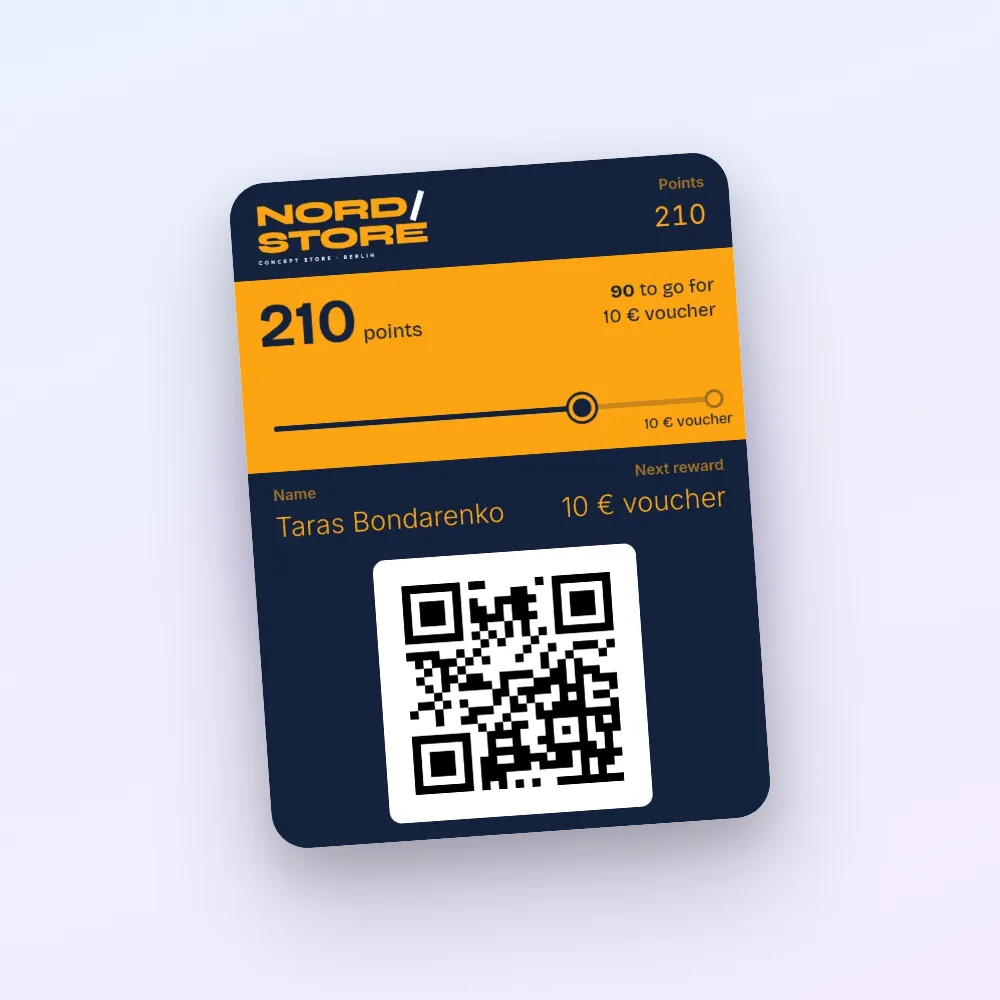
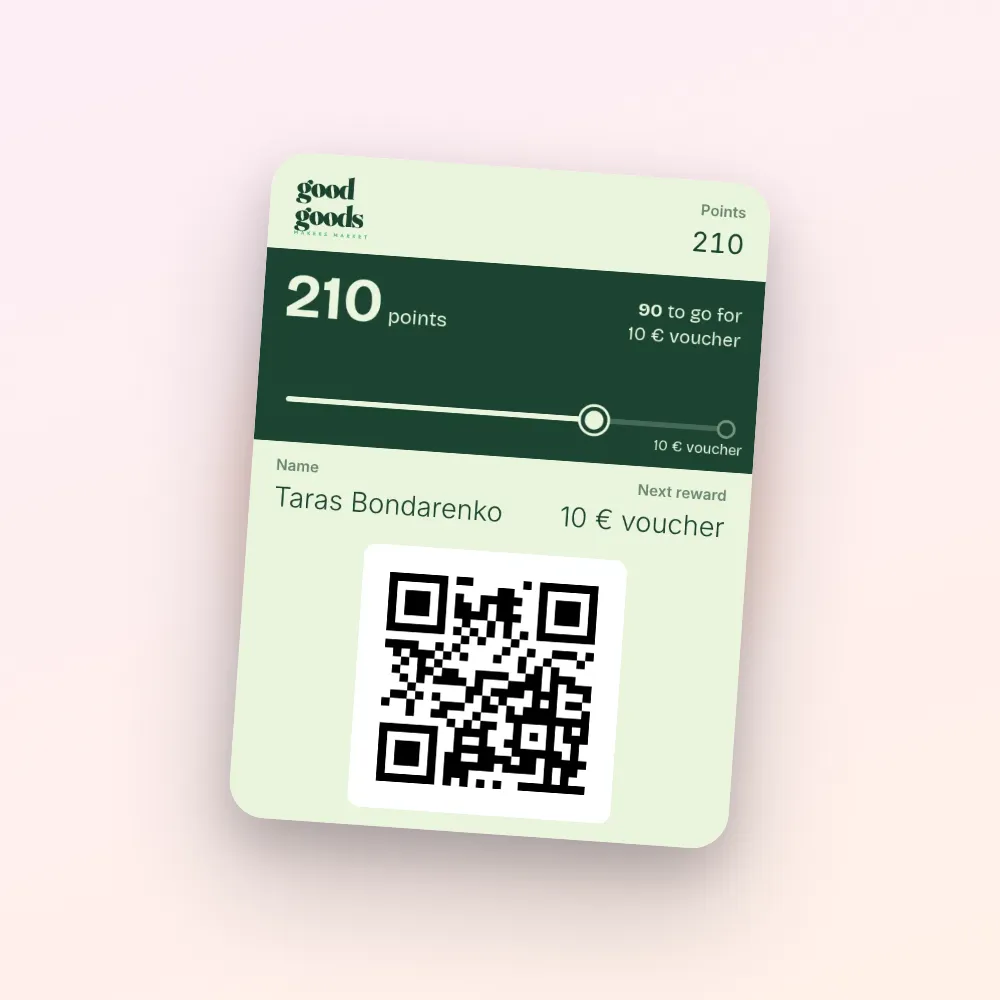
A good newsletter does the same job. What matters is having the names before Christmas Eve.
Quick answers for a slow January
Is January the worst month for retail?
January is usually the second weakest month, not the weakest. In Germany and France, the official index of retail sales was lower in February 2026 than in January, partly because February is shorter. Plan your quiet season until at least mid-February.
How long does the January slump last?
For most shops the January slump lasts six to eight weeks, from the first days of January to mid or late February. It eases with Valentine's Day, Carnival in some regions and the first spring stock.
Is it worth closing a small shop for a week in January?
Closing for a week in January is worth it only if that week loses money once you count wages, energy and card fees, but not rent. Many owners use the first quiet week for a holiday or a stocktake. Tell your regulars the dates in December, so nobody finds a locked door.
Why I like January more than December
December is the month you sell. January is the month you find out who you sold to. The people who walk in during the second week of January are not in a hurry, they have time to talk, and they remember who talked to them. That is where regulars are made. Most shops spend January waiting for spring; I would spend it getting to know the 63 people who came back with a voucher.
More stories
 How to stop no-shows at your barbershop without scaring off new clients
Deposits stop no-shows but can cost you more in lost bookings. The sums for a three-chair barbershop, and who should really pay up front.
 Roadworks outside your shop? How to keep your regulars until the street reopens
The diggers take your passing trade, but your regulars can stay. A plan for the months of roadworks, with the sums for one café.
 Opening a second location without emptying the first one
Where the first customers of a new branch come from, six mistakes owners make, and a worked salon example with the sums to break even.