
How to stop no-shows at your barbershop without scaring off new clients
 Oleksii Andriiuk
Founder
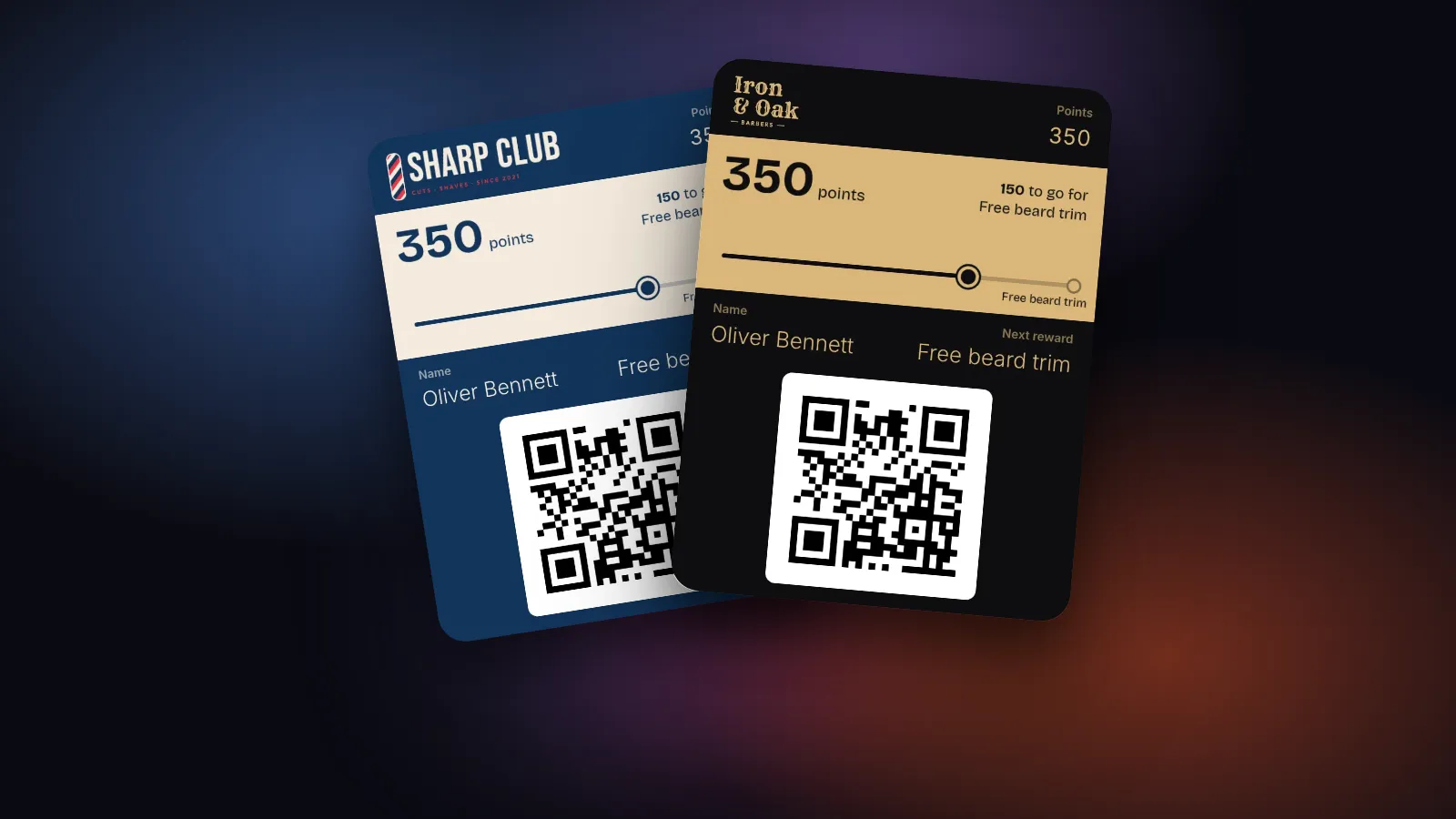
How to stop no-shows at a barbershop comes down to one decision: who pays up front. A deposit for everyone cuts missed appointments, but it also loses you bookings, and in a shop that is not full every day those lost bookings can cost more than the no-shows did. Remind everyone the day before, never ask a regular for a deposit, and save deposits for people who have already missed once.
I'd rather ask for a deposit after the first missed cut than before the first one. A client who has sat in your chair eight times and forgot once is not the problem. The stranger who booked three shops for the same Saturday and turned up at one of them is. Treat those two the same way and you punish the people who pay your rent.
What a no-show really costs a barbershop
A no-show costs you almost the whole price of the service, because the barber's time cannot be sold twice. The saved shampoo and a towel wash are worth a euro, maybe two. Everything else is gone the moment the slot passes.
It also costs more every year. Prices of hairdressing and personal grooming in the euro area were 3.6% higher in October 2026 than a year earlier, according to Eurostat's consumer price data (as of November 2026). The same empty half hour that cost you 23 € last year costs you closer to 24 € now.
The hidden cost is the one owners talk about least: the client who was on the waiting list, or the walk-in you sent away at 14:00 because the book said you were busy.
Why new clients miss more appointments than regulars
New clients miss more appointments than regulars because they have nothing to lose yet. They do not know your name, you do not know theirs, and booking online took them ten seconds. A regular who skips a cut without calling feels it the next time he sits down. A stranger does not.
That is why many salons already treat the two groups differently. In a debate in the trade magazine HJI (November 2024), one salon owner said she always takes a deposit from new clients and asks one from anyone who has missed before, and reports fewer than 5% no-shows. Another relies on a waiting list and charges a fee only when the slot cannot be filled: in June, 4 of her 555 bookings were missed, and all four paid.
Deposit for everyone, or only for strangers?
Here are the two approaches side by side, before the sums.
| Deposit for everyone | Deposit only after trust is broken | |
|---|---|---|
| No-shows | Lowest | Low |
| Bookings lost | New clients and some regulars | Only some new clients |
| How regulars feel | Not trusted | Recognised |
| Work for the team | Refunds and disputes | One rule to remember |
A worked example: three chairs, 792 bookings a month
Take a barbershop with three chairs on a side street in Brno, open six days a week. These are example numbers, so put in your own. Each chair does about 12 cuts a day, 22 days a month: 792 bookings. An average cut is 25 €, and an empty slot loses 24 € after the materials you save. 150 bookings a month come from new clients and 642 from people who have been before. New clients miss 14% of their appointments, known clients 4%.
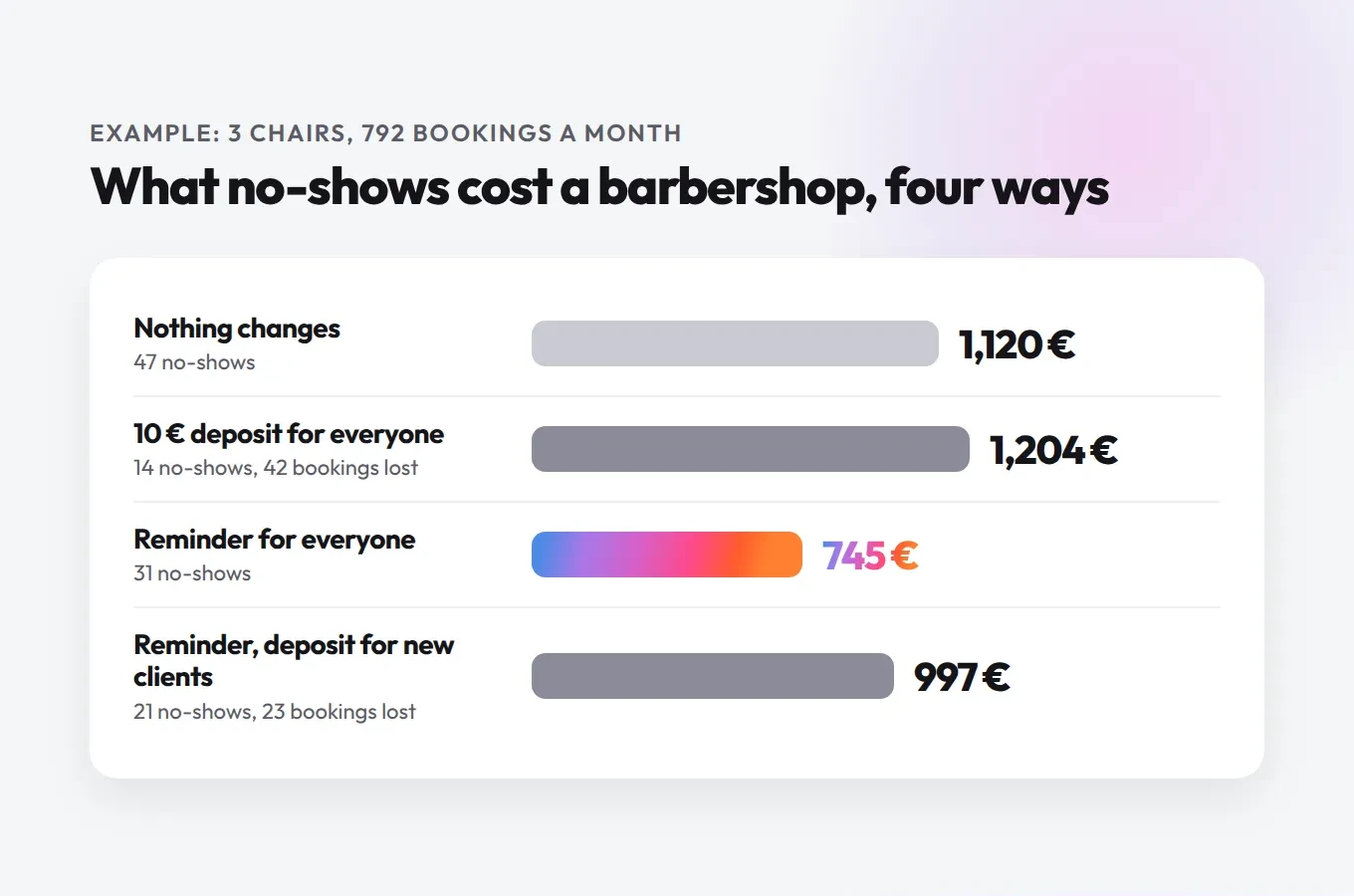
Now try four options. With a 10 € deposit, no-shows drop to 4% for new clients and 1.5% for known ones, and the shop keeps the deposit when someone does not come. But 15% of new clients and 3% of regulars do not book at all once a deposit is asked. A reminder the day before brings no-shows down to 10% and 2.5%.
| Option | No-shows | Bookings lost | Cost a month |
|---|---|---|---|
| Nothing changes | 47 | 0 | 1,120 € |
| 10 € deposit for everyone | 14 | 42 | 1,204 € |
| Reminder for everyone | 31 | 0 | 745 € |
| Reminder, deposit for new clients | 21 | 23 | 997 € |
The deposit for everyone is the most expensive line in the table, even though it has the fewest no-shows. It loses 19 regular cuts a month to people who felt they were not trusted, and 23 new clients who went to the shop next door. The reminder alone, which most booking apps can send, saves about 375 € a month.
A deposit for new clients only pays if fewer than about 1 in 13 of them walk away from it. Some of those who walk away would never have turned up anyway, so the real line is a little kinder than that, but it is still narrow. Test it for a month before you make it a rule.
Can you charge a no-show fee?
You can charge a no-show fee in most of Europe only if the client agreed to it before booking. The German consumer advice centre in Lower Saxony says no-show fees are allowed in principle when they were clearly agreed at booking, and that without such an agreement the business has to prove a real loss (Verbraucherzentrale Niedersachsen, as of November 2026). The hairdressers' guild of the Austrian chamber of commerce in Lower Austria advises its members to agree the fee in writing, and notes that without an agreement a salon can claim the price minus what it saved, such as materials (WKO Niederösterreich, as of November 2026).
In practice: put the rule in the booking confirmation and on the reminder, not only in small print on your website. This is not legal advice, and the details differ by country, so check with your own chamber or trade association before you charge anyone.
How to stop no-shows at a barbershop, step by step
- Turn on reminders for everyone. One message the day before, with a link to cancel. Make cancelling easy: a cancelled slot can be refilled, a forgotten one cannot.
- Write one rule and say it out loud. "Cancel by 18:00 the day before. After a missed appointment, the next booking needs a 10 € deposit." Short enough that every barber can explain it in one sentence.
- Ask for a deposit after the first miss, not before the first cut. For new clients, use it only for long services such as colour, or if your own test shows few people walk away.
- Fill the gap from your regulars. When a slot opens at short notice, the people most likely to take it are the ones who already come every four weeks. A short message to them ("a chair is free at 15:30 today") fills it faster than an advert.
- Turn first-timers into known clients quickly. The sooner someone has a second and third visit, the less likely they are to vanish. My post on winning the second visit has a 14-day plan for exactly that.
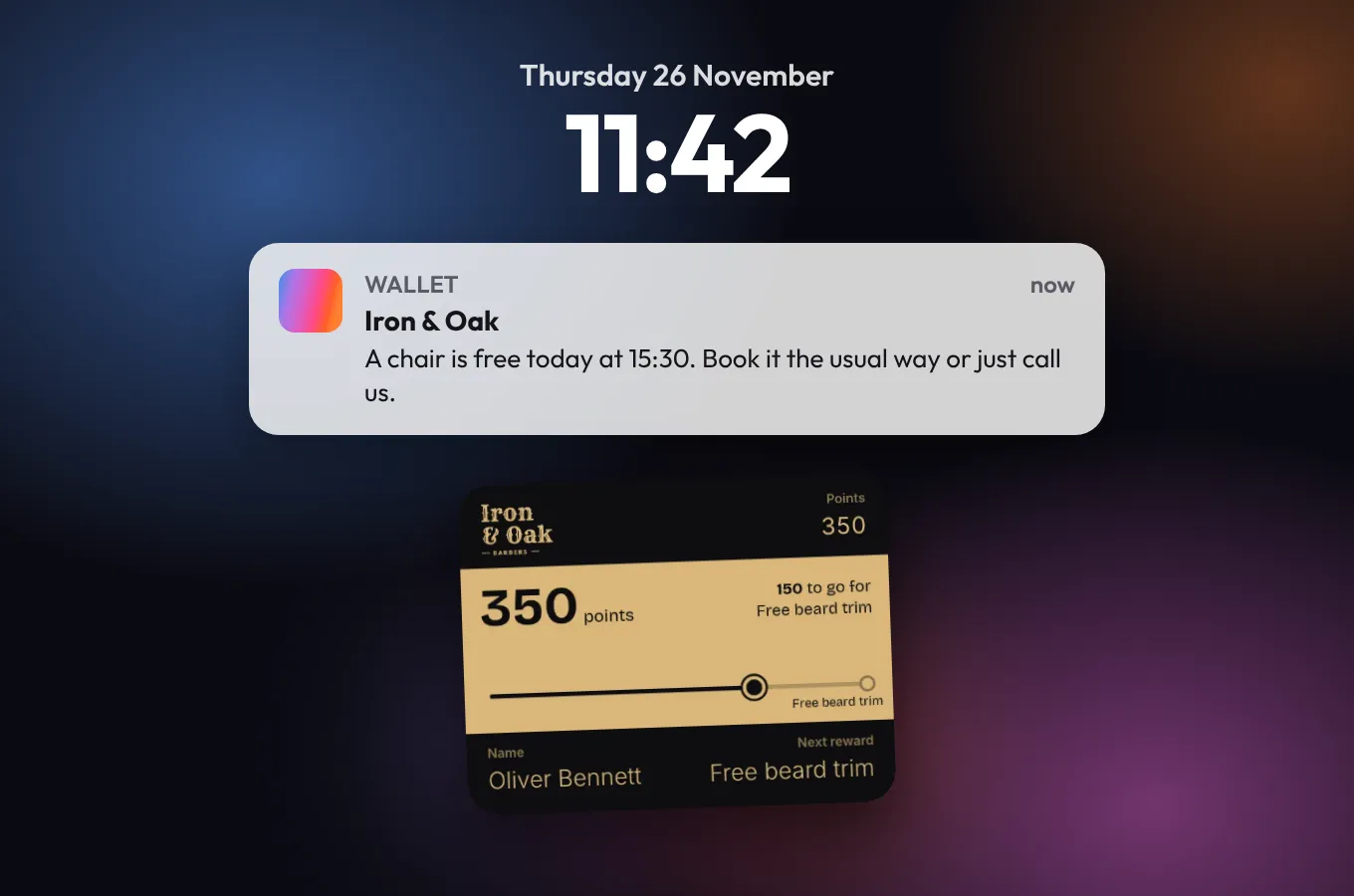
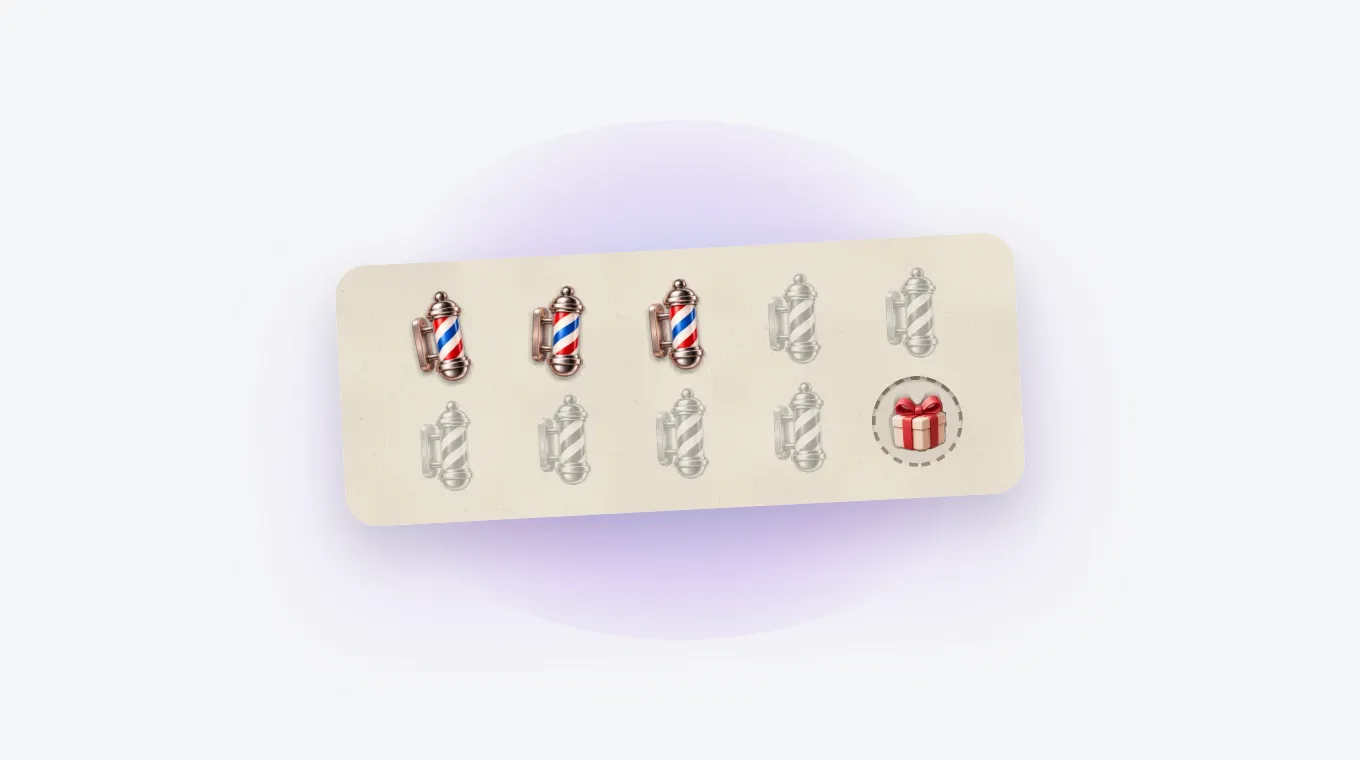
This is where a loyalty card earns its place. Your booking app knows who booked; a loyalty card for barbershops shows who keeps coming back, how many visits they have had and who is overdue. Loyalius, a loyalty platform that puts stamp, points and cashback cards in Apple Wallet and Google Wallet, works next to your booking app rather than replacing it, and the same card can carry the "chair free today" message to clients who agreed to hear from you. That last part matters: a promotional message needs the client's yes, and my GDPR post explains which messages count.
No-show questions from the chair
How much should a deposit for a haircut be?
There is no standard amount. I'd ask for a fixed sum of about a third to half of the service price: for a 25 € cut, 8-12 €. Big enough that people think twice, small enough that nobody argues about it, and it comes off the bill when they arrive.
Should I charge a regular who misses an appointment?
Usually not the first time. A regular with years of visits is worth far more than one fee, and a friendly message ("we missed you today, everything all right?") does more for next time. If it happens again, the same rule applies to everyone.
What is a fair cancellation notice for a barbershop?
24 hours is a common rule, and the Austrian chamber's sample poster uses exactly that. For a short cut, cancellation by the evening before is enough, since you can still fill the slot in the morning.
Ask after the first miss, not before the first cut
A deposit tells a client what you expect from them. A rule that applies only after a missed appointment tells them you expect the best until they show you otherwise. I know which barbershop I'd rather walk into. Look at your last month: how many of your no-shows were first-timers, and how many were people whose names you know? That one number tells you which line of the table is yours. If it turns out to be mostly regulars, my barber loyalty card setup is a better place to start than any deposit.
More stories
 Roadworks outside your shop? How to keep your regulars until the street reopens
The diggers take your passing trade, but your regulars can stay. A plan for the months of roadworks, with the sums for one café.
 Opening a second location without emptying the first one
Where the first customers of a new branch come from, six mistakes owners make, and a worked salon example with the sums to break even.
 January slump in retail: a plan for small shops that starts in December
Retail sales fall by up to a fifth after Christmas, and February is even quieter. A dated plan for small shops that starts with December's gift buyers.