
Loyalty program for a pet shop: a setup built around the food bag
 Oleksii Andriiuk
Founder
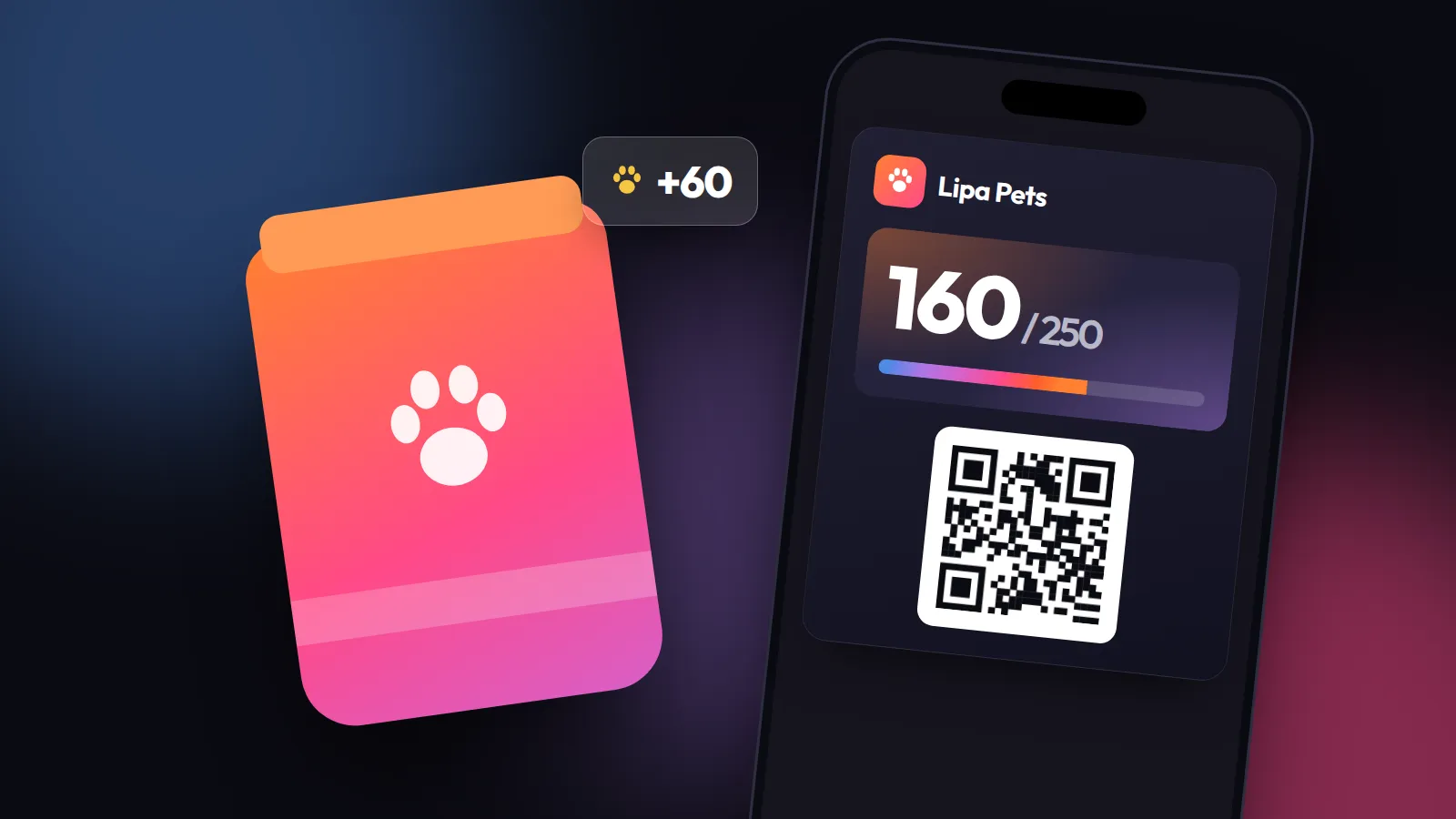
A loyalty program for a pet shop should be built around the bag of food, because that is the purchase that brings an owner back every few weeks. The setup that fits: a points card at one point per euro, a small first reward at 100 points and 10 € off at 250, offered at the till on every sale, with one message for people who miss their usual refill. Six steps, and you can have it running before the Christmas gift buyers arrive.
Most pet shop customers don't come in for fun. They come because the bag is nearly empty. That makes a pet shop one of the easiest places to run loyalty, and one of the easiest to lose: the day an owner decides to have the next bag delivered, you won't see them again, and nobody tells you. The card's real job is to keep the refill coming to you.
Step 1: Count the bags, not the customers
Before you design anything, look at last month's sales and answer two questions.
- How often does a food buyer come back? A 12 kg bag for a medium dog lasts roughly five to seven weeks, a cat's food runs out on its own schedule, and small-animal owners often buy hay every week or two. Pick the gap that covers most of your regulars. For most shops it is somewhere around six weeks.
- What does a typical food visit add up to? Usually the bag plus something small: a chew, a toy, litter. If the bag is 50 € and the extras are 10 €, your typical food visit is about 60 €.
Write both numbers down. Every other step uses them.
Step 2: Points for the whole shop, not a card per brand
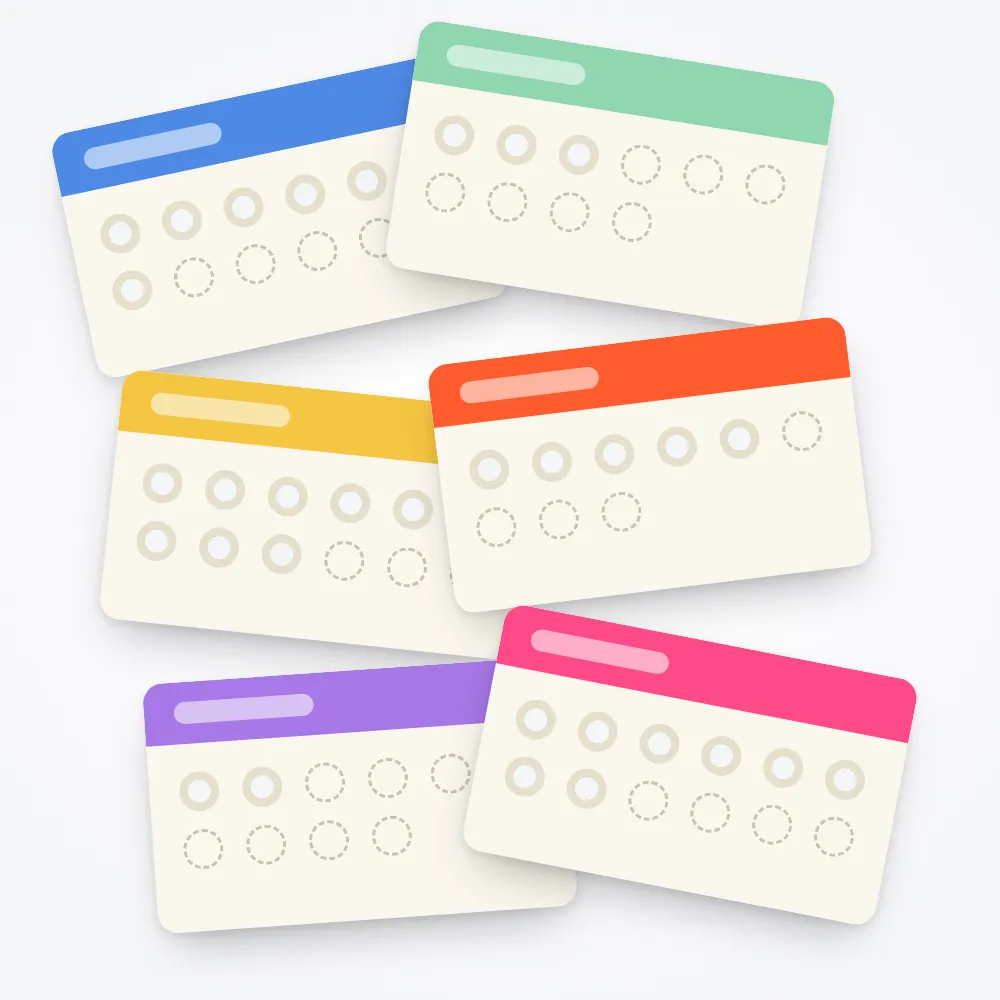
Pet shop bills swing too much for stamps: the same customer spends 4 € on a chew on Tuesday and 60 € on food two weeks later. One stamp for each would make no sense, which is why I'd use a points card in the Wallet with one point per euro. We compared the two approaches in more detail in points vs stamps; a pet shop lands clearly on the points side.
The alternative many pet shops know is the brand punch card: buy so many bags of one brand, get one free. This morning I read one US pet chain's frequent buyer page, and it lists a long run of separate brand cards, with 12 purchases the most common target, plus rules about matching size, formula and expiry. That works for a chain with a printed rulebook. In a small shop it means a drawer of half-punched cards and a customer asking at the till whether the grain-free one counts.
One points card for everything is simpler for everybody. If a supplier funds a free-bag offer, you can still honour it on the side.
Step 3: Set two rewards, one close and one worth saving for
A points card can hold several rewards, and a pet shop needs two:
| Points | Reward | Why |
|---|---|---|
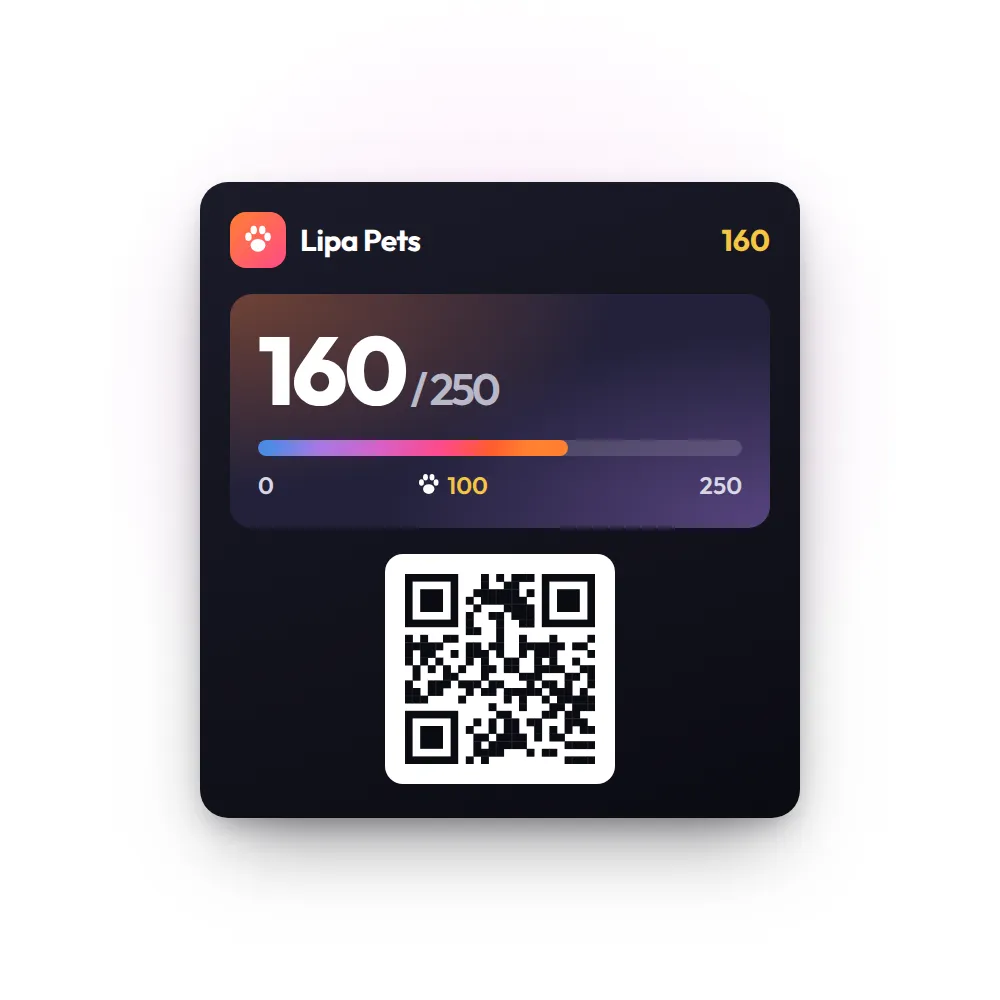
| 100 | A bag of treats | Reached on the second food visit, so a new member gets a win early |
| 250 | 10 € off | The one regulars save for, roughly every four or five food visits |
At one point per euro, 250 points for 10 € gives back about 4% of what someone spends. I would not go higher on a card that is mostly food: the margin on a bag of food is usually thin, and the extras are where you make your money. If you want to push the extras, the points card can make some products earn more points than others (on the Pro plan), so a toy can earn double while a bag earns the normal rate.
Here is what the setup looks like for one owner over a year, using the numbers from Step 1. The figures are an example, not a promise:
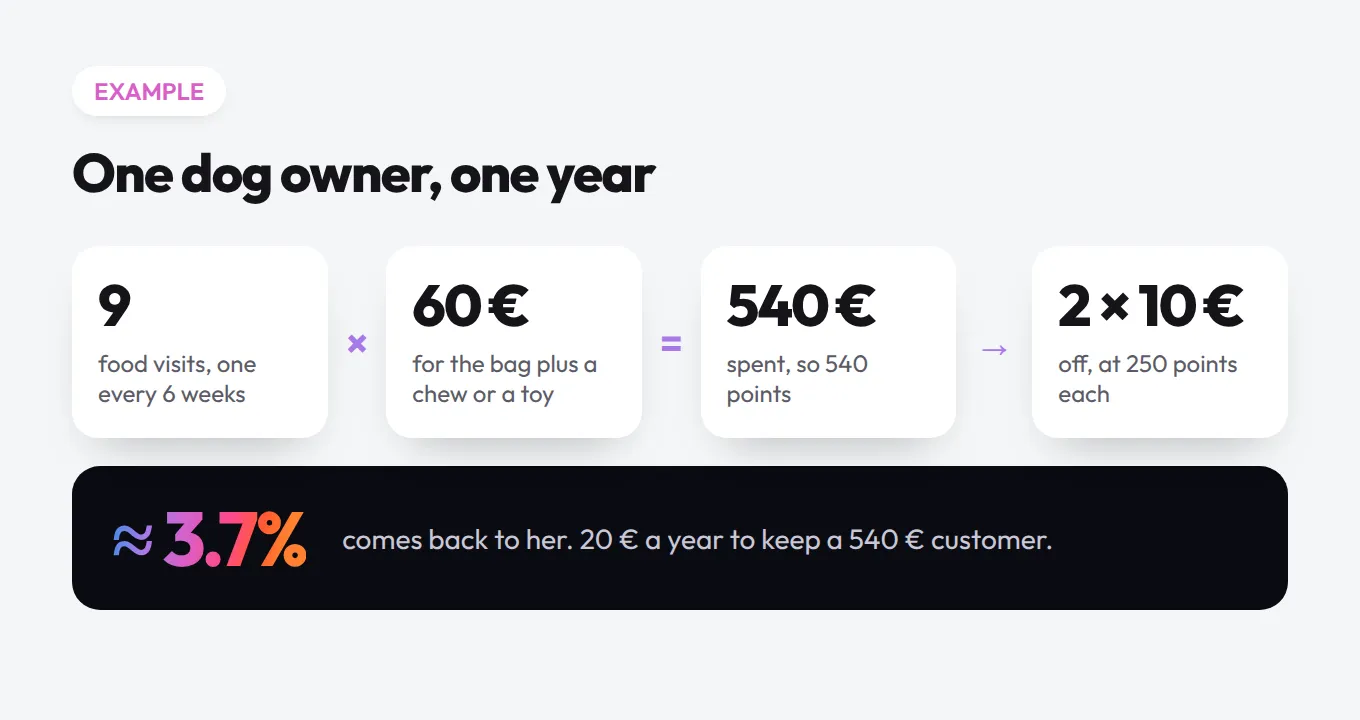
Twenty euros a year to keep a 540 € customer from switching to delivery is cheap. For the full logic of what a reward costs you, see the maths of a loyalty reward.
Step 4: Put the poster where the food is
The QR poster belongs in two places: on the counter, where people wait while you scan the bag, and on the food shelf, where they stand deciding between two flavours. The card goes into Apple Wallet or Google Wallet after a scan and an email code, so there is no app to install and nothing to fill in on paper.
Then the sentence at the till, said after payment, to everyone, including the person buying one tin of cat food. "This bag gives you 60 points, and at 100 you get a bag of treats. Want it on your phone?" Naming the reward does most of the work. If people still say no, fixing the ask at the till walks through the usual reasons.
On points: if your till is Square, Lightspeed, SumUp, Toast, Clover, Zettle or Shopify POS, points can come straight from the receipt on the Growth plan and above. Without a connected till, staff scan the card with any phone and type the amount.
Step 5: Turn on two messages and leave them alone
The Starter plan includes two automations, and a pet shop needs exactly two:
- The win-back. It goes to people who haven't been in for a while, with a small reason to come back. For a shop whose regulars refill every six weeks, someone gone for two months has probably bought the last bag somewhere else. That's the moment to remind them you exist.
- The reward reminder. When someone has a bag of treats or 10 € waiting, the Wallet card tells them. A reward people forget about isn't a reward.
A win-back text that sounds like a shop, not a system:
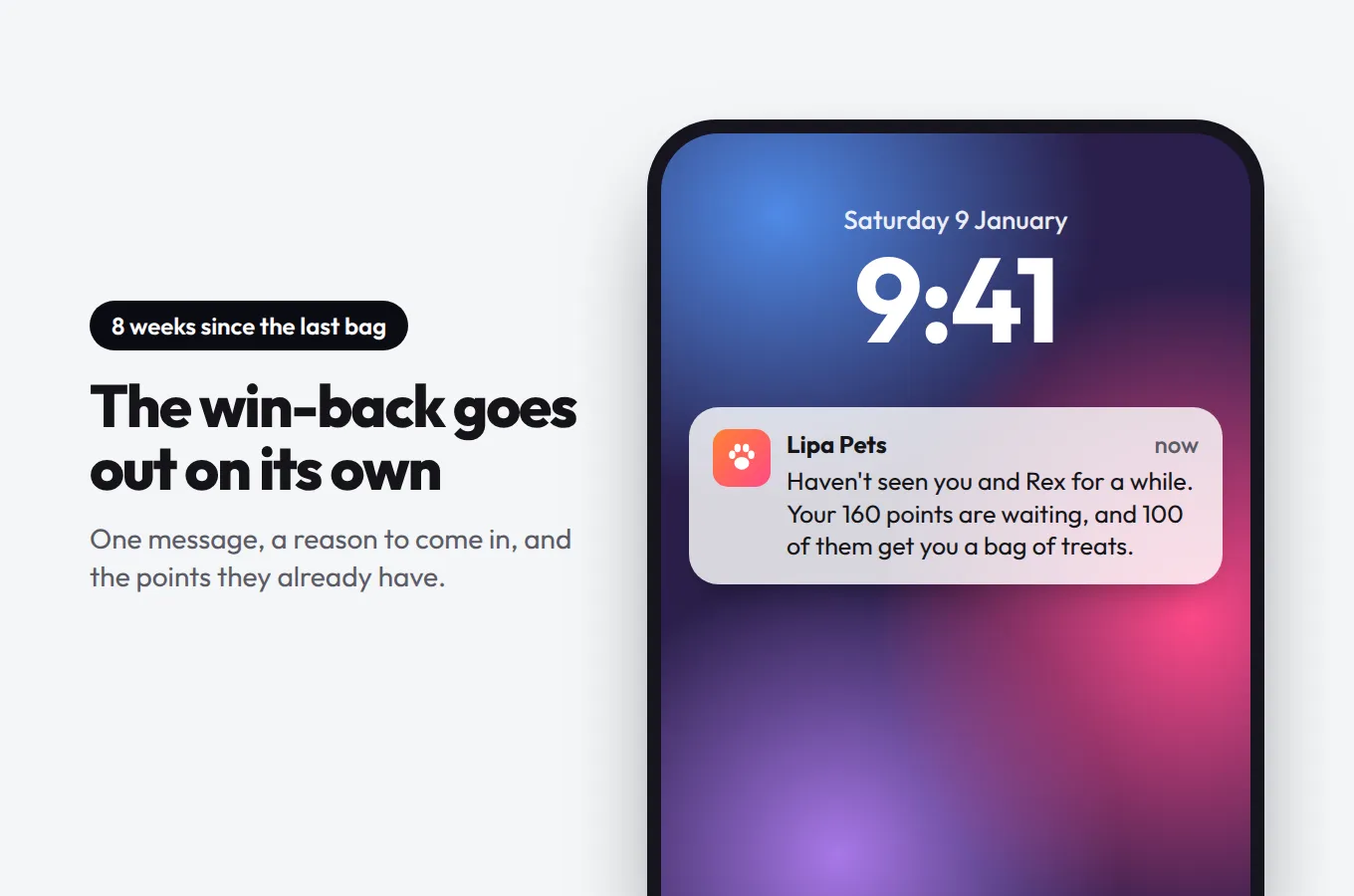
Customers choose whether they get offers, and you can see who agreed and when. Keep it to these two messages until January. December is busy enough, and owners don't need a weekly flyer about dog food.
If you later move to a plan with more automations, make the third one the birthday treat. It goes to the human, but the dog won't complain.
Step 6: Count the regulars in January
Christmas changes the shop: people come in for an Advent calendar for the cat, a new lead, a gift for a friend's dog. Many of them are not your regulars yet, which is exactly why you offer them the card too. The bag of treats at 100 points is close enough that a 40 € gift order plus one later visit gets there.
In the second week of January, look at one number: of the people who joined in November and December, how many came back for food? If it is a third or more, the card is working. If almost nobody did, the problem is rarely the reward. It is usually that the card was only offered when the shop was quiet.
What you have now
- A points card, one point per euro, in your customers' Wallet
- Two rewards: a bag of treats at 100 points, 10 € off at 250
- A poster on the counter and one on the food shelf
- One sentence everybody at the till says
- A win-back message and a reward reminder running on their own
- A date in January to count who came back
Everything else, from double-points hours on a quiet weekday to a second card for grooming, can wait until you have seen that January number. That number will tell you more about your shop than any setting.
More stories
 Car wash loyalty program: 6 mistakes to fix before winter
Six stamps, a named reward, a prepaid bundle and a message on the first dry day: the car wash loyalty mistakes to fix before winter.
 Customers won't join your loyalty program? Fix the ask at the till
Most loyalty cards don't fail on the reward. They fail on the ask: nobody says it, or it's a question that invites a no. Here is the fix, before December.
 Loyalty program for a flower shop: a winter plan from Advent to Valentine's Day
Turn December's wreath buyers into Valentine's regulars: a dated plan with 5% cashback, three messages to copy and the number to check in March.